
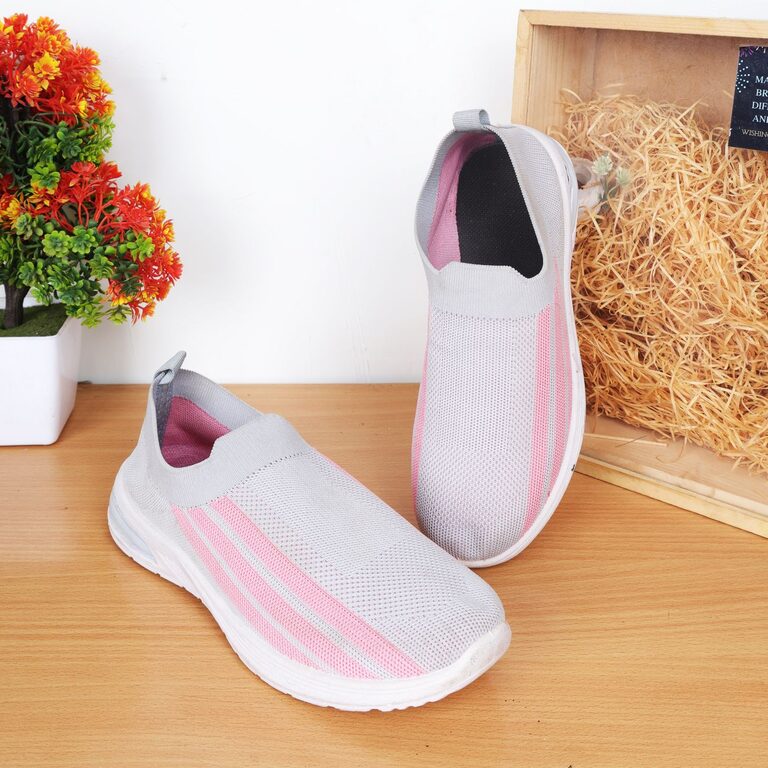
Choosing the right walking shoes can make everyday activities more comfortable. Whether you walk to work, run errands, travel, or spend long hours on your feet, the right pair can help your feet feel supported from morning to evening.
Comfort is personal, but several features make a walking shoe more suitable for daily use. Fit, cushioning, support, flexibility, breathability, and durability all matter. This guide explains what to look for and how to test a pair before buying.
Start With the Right Fit
A good fit is the most important part of a comfortable walking shoe. Even a well-designed shoe may feel uncomfortable if it is too tight, too loose, or the wrong shape for your foot.
When trying on shoes, check the following:
- Your toes should have enough room to move freely.
- Your heel should stay in place without rubbing or slipping.
- The widest part of your foot should sit comfortably in the widest part of the shoe.
- The upper should hold your foot securely without creating pressure points.
Try on both shoes, since one foot may be slightly larger than the other. Stand and walk around the store for several minutes. Your feet may spread slightly when you stand, so a shoe that feels fine while sitting may feel too small when you walk.
It is also helpful to shop later in the day. Feet can become slightly larger after hours of standing and walking. Trying on shoes at this time may help you choose a more accurate size.
Leave Enough Room for Your Toes
Your toes should not touch the front of the shoe while you are standing or walking. Aim for about a thumb’s width of space between your longest toe and the end of the shoe.
This extra space allows your feet to move naturally and gives your toes room as your feet change size during the day. A narrow toe box may cause discomfort, especially during longer walks.
Do not assume that a larger shoe is always more comfortable. Too much extra space can make your foot slide forward, which may lead to rubbing and reduced stability. Look for enough room without excessive movement.
Choose Cushioning That Feels Comfortable
Cushioning helps soften the feel of each step. It can be especially useful if you walk on hard surfaces such as sidewalks, floors, or pavement.
The best amount of cushioning depends on your personal preference. Some people prefer a soft, padded feel, while others like a firmer, more responsive shoe. Neither option is automatically right for everyone.
When comparing cushioning, consider:
- How the shoe feels when you first step into it.
- Whether the sole feels comfortable on hard surfaces.
- Whether the cushioning feels stable rather than overly soft.
- How the shoe feels after several minutes of walking.
A shoe that feels comfortable at first may not remain comfortable during a longer walk. If possible, walk on different surfaces before making a decision.
Look for Practical Support
Walking shoes should feel stable without being stiff or restrictive. Support comes from the shape of the shoe, the midsole, the heel area, and the way the shoe holds your foot.
A supportive everyday shoe usually keeps your foot centered and prevents excessive movement inside the shoe. The heel counter, or the firmer section around the back of the shoe, should hold your heel gently and securely.
You can check the shoe’s structure by holding it at both ends and gently bending it. A walking shoe should bend near the front of the foot, where your toes naturally bend. It should not fold completely in the middle or twist too easily from side to side.
Consider Flexibility and Weight
Walking shoes should allow a natural stride. A sole that is too stiff may make walking feel awkward, while a shoe that is too flexible may not provide enough stability.
Weight also affects comfort. Lightweight shoes may feel easier to wear during long days, but very light materials can sometimes offer less protection or durability. A slightly heavier shoe may be worthwhile if it provides better support and a more secure fit.
Look for a balance between flexibility, structure, and weight. The shoe should feel easy to move in without feeling flimsy.
Pay Attention to Breathability
Breathable materials can help keep your feet more comfortable during daily use. Mesh and other lightweight fabrics often allow more airflow than solid, heavy materials.
Breathability is particularly useful if you walk in warm weather or wear the shoes for many hours at a time. However, a breathable upper should still be strong enough to hold your foot securely.
Also consider the inside of the shoe. A smooth, comfortable lining can reduce friction, while rough seams or stiff edges may cause irritation.
Choose the Right Sole for Your Routine
The outsole should match the surfaces where you usually walk. For sidewalks, shopping centers, and indoor floors, a flexible rubber outsole with a dependable grip may be enough.
If you regularly walk on wet pavement, uneven paths, or outdoor trails, look for a sole with a deeper pattern and better traction. Check that the tread feels stable and does not slide easily across smooth surfaces.
Inspect the sole for even construction. It should be firmly attached to the upper, with no loose edges or visible gaps.
Think About Your Daily Activities
The best walking shoe for you depends on how you plan to use it. A shoe for short errands may not have the same features as one for long commutes or travel.
Ask yourself:
- How many hours will I wear the shoes each day?
- Will I walk mostly indoors, outdoors, or on mixed surfaces?
- Do I need shoes that can handle changing weather?
- Will I wear casual clothing, work clothing, or both?
- Do I need removable insoles or extra room for thicker socks?
Answering these questions can help you avoid choosing shoes based only on appearance. Style matters, but comfort and function should come first for daily walking.
Test Shoes Before Buying
Whenever possible, test shoes with the socks you normally wear. Walk at your usual pace, turn corners, climb a few steps, and stand still for a moment. Notice whether your heel moves, your toes feel crowded, or any part of the shoe presses against your foot.
Pay attention to immediate discomfort. Shoes may soften slightly with use, but they should not require a long break-in period to become wearable. Pressure points, painful rubbing, or numbness are signs that the fit may not be right.
If you shop online, review the brand’s size guide and return policy. Read customer comments for information about width, sizing, and comfort, but remember that individual experiences can vary.
Replace Worn Walking Shoes
Even high-quality shoes eventually lose their cushioning and support. Check for worn tread, uneven soles, damaged fabric, compressed cushioning, or new discomfort during walks.
The outside of a shoe may look acceptable while the inside has already lost its ability to support your steps. If the shoes no longer feel comfortable or stable, it may be time to replace them.
Make Comfort the Final Test
The right daily walking shoe should feel secure, comfortable, and natural from the first fitting. Start with a proper size, allow room for your toes, and choose cushioning and support that match your preferences and routine.
Take time to walk in each pair before buying. A practical shoe with a good fit will usually serve you better than one chosen only for its appearance. With careful testing, you can find walking shoes that feel comfortable and dependable throughout your day.
About the Author