
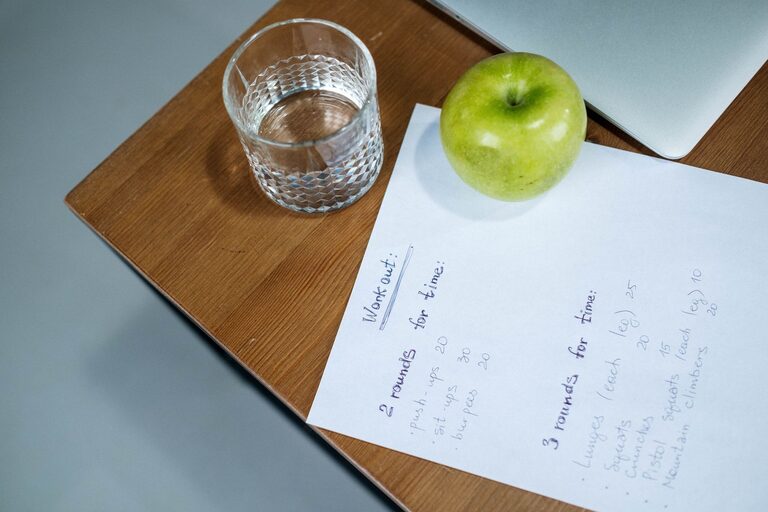
Creating a weekly fitness routine at home does not have to mean following a strict schedule or spending hours exercising. A good plan should fit your space, time, energy, and interests. When your routine feels realistic and enjoyable, you are more likely to continue with it.
The goal is to create a balanced week that includes movement, strength, flexibility, and rest. You can use bodyweight exercises, household items, online classes, or simple walking sessions to stay active without needing a full home gym.
Start With Your Personal Goals
Before choosing workouts, think about what you want from your routine. Your goal might be to move more during the day, improve general fitness, build strength, support better balance, or create a regular exercise habit.
Choose one or two main goals rather than trying to change everything at once. Clear goals make it easier to select suitable activities and measure your progress.
Consider these questions:
– How many days can you realistically exercise each week?
– How much time can you set aside for each session?
– Which activities do you enjoy?
– Do you prefer guided classes, independent workouts, or outdoor walks?
– What equipment and space are available at home?
Your answers will help you create a plan that works with your lifestyle instead of competing with it.
Build a Balanced Weekly Schedule
A balanced routine includes different types of movement. Repeating the same workout every day can become boring and may leave some areas of fitness overlooked. Alternating activities keeps your week interesting and allows different muscle groups and movement patterns to take part.
A simple weekly structure might include:
– Two or three strength sessions
– Two or three cardio or active movement sessions
– Short flexibility or mobility sessions
– At least one rest or gentle movement day
You do not need to complete every category in a separate workout. For example, a strength session can end with stretching, while a brisk walk can count as a cardio session.
Here is an example of a flexible weekly plan:
Monday: Full-Body Strength
Use bodyweight exercises such as squats, wall pushups, glute bridges, and standing rows with a resistance band. Complete a few rounds at a comfortable pace.
Tuesday: Cardio and Mobility
Try a brisk walk, a low-impact dance session, or a short series of step-ups. Finish with gentle mobility exercises for the hips, shoulders, and back.
Wednesday: Active Recovery
Choose easy movement, such as light stretching, relaxed walking, or a short mobility routine. Keep the session gentle and focus on feeling refreshed.
Thursday: Strength and Core
Combine exercises for the legs, upper body, and core. You can use a backpack with light household items if you want additional resistance.
Friday: Enjoyable Cardio
Choose an activity that feels fun rather than routine. Dance to music, follow a beginner-friendly class, or walk while listening to a podcast.
Saturday: Choice Day
Repeat a favorite workout, try a new activity, or combine strength and cardio in a short circuit.
Sunday: Rest and Preparation
Take a full rest day or do gentle stretching. Use a few minutes to plan the coming week.
This schedule is only an example. You can move sessions to match work, family, and other responsibilities.
Choose Exercises You Enjoy
Enjoyment is an important part of consistency. If you dislike an activity, it may be difficult to make it a regular habit, even if it looks effective on paper.
Make a list of activities you might enjoy, such as:
– Bodyweight strength exercises
– Dance workouts
– Yoga or stretching
– Walking indoors or outdoors
– Low-impact aerobics
– Step routines
– Resistance band exercises
– Shadow boxing
– Beginner fitness videos
– Active games with family members
Try different options during the first few weeks. Notice which activities leave you feeling energized and which ones feel difficult to repeat. Your routine can include a mix of favorites and practical exercises that support your goals.
Keep Sessions Simple
A home workout does not need to be complicated. A basic session can include a warmup, a main activity, and a cooldown.
Warmup
Spend five to ten minutes preparing to move. March in place, circle your arms, gently move your hips, or complete slow bodyweight squats. The purpose is to transition gradually into exercise.
Main Workout
Choose three to five exercises or activities. For a strength session, you might include:
– Squats or sit-to-stands
– Wall or incline pushups
– Glute bridges
– Bird dogs
– Standing shoulder presses
– Resistance band rows
Perform each exercise for a comfortable number of repetitions or for a short period. Focus on steady movement and good control rather than rushing.
For a cardio session, alternate periods of faster movement with easier recovery. Marching, dancing, stepping, or walking can all be adjusted to suit your available space.
Cooldown
Finish with several minutes of slower movement and relaxed stretching. Include stretches that feel comfortable, and avoid forcing a joint or holding a position that causes pain.
Plan Around Your Energy
Your energy levels may vary from day to day. A flexible routine gives you options instead of treating every workout as all or nothing.
Create three versions of your plan:
– Full session: Your usual workout when you have enough time and energy
– Short session: A 10- to 20-minute version for busy days
– Gentle session: Light walking, stretching, or mobility when you need an easier option
This approach helps you maintain the habit while respecting your schedule. A short session can still be worthwhile, especially when it keeps your routine familiar.
Make Your Home Workout Space Inviting
You do not need a dedicated gym. A clear area about the size of a yoga mat may be enough for many exercises. Keep frequently used items nearby, such as a mat, resistance band, towel, or water bottle.
Small changes can make exercise easier to begin:
– Set out your workout clothes in advance.
– Keep a list of favorite routines.
– Choose a regular workout time.
– Play music that matches the activity.
– Use a calendar to mark completed sessions.
– Remove clutter from your exercise area.
The easier it is to start, the less effort it takes to turn exercise into a regular part of your day.
Track Progress in a Helpful Way
Progress is not limited to changes in appearance or performance. You can also track consistency, energy, confidence, balance, range of movement, or the number of sessions completed.
At the end of each week, write down:
– Which workouts you completed
– Which activities you enjoyed
– What felt too difficult or time-consuming
– How you might adjust the next week
Use this information to improve your plan. If a workout consistently feels unrealistic, shorten it or replace it with another activity. A routine should evolve as your needs and schedule change.
Keep the Routine Sustainable
Avoid making your first week overly ambitious. Starting with manageable sessions gives you room to build consistency. You can gradually add time, variety, or resistance when the routine begins to feel comfortable.
Listen to your body and stop any movement that causes sharp or unusual pain. If you have specific health concerns, injuries, or questions about which activities are suitable for you, consider speaking with a qualified health or fitness professional.
The best home fitness routine is one you can repeat. By combining enjoyable activities, realistic scheduling, simple workouts, and regular rest, you can create a weekly plan that supports an active lifestyle without making exercise feel like a chore.
About the Author