
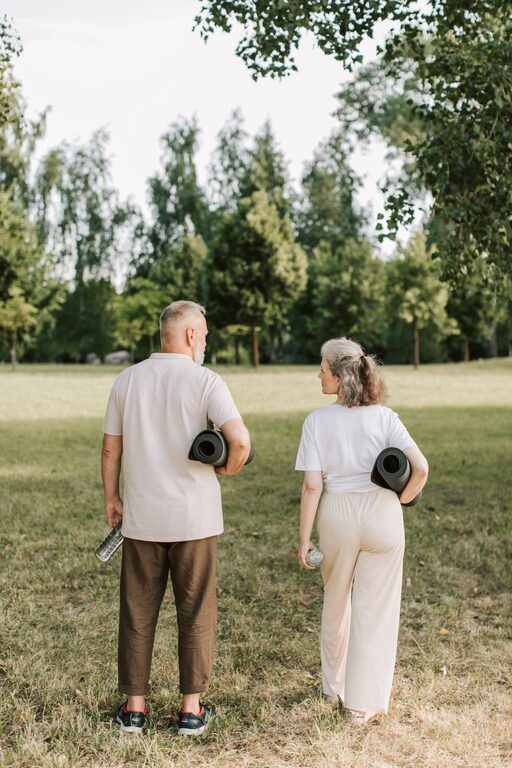
Staying active does not have to mean running long distances, lifting heavy weights, or taking part in high-intensity workouts. Low-impact outdoor activities offer a comfortable way to move, enjoy nature, and build an active routine at almost any age.
These activities place less stress on the joints than many high-impact exercises while still supporting balance, strength, flexibility, and endurance. They can also be adapted for different fitness levels, interests, and schedules. Whether you prefer a quiet walk through a park or a relaxed game with friends, there are plenty of ways to stay active outdoors.
Why Choose Low-Impact Outdoor Activities?
Low-impact activities usually involve smooth, controlled movements and keep at least one foot on the ground. This makes them a practical option for beginners, older adults, families, and anyone looking for a gentler approach to exercise.
Outdoor movement also offers benefits beyond physical activity. Time outside can provide a change of scenery, encourage social connection, and make regular movement feel more enjoyable. When an activity is pleasant and easy to fit into your routine, you may be more likely to continue it.
Consider these simple advantages:
– Gentle movement can be easier to maintain regularly.
– Outdoor activities can be enjoyed alone or with others.
– Many options require little or no special equipment.
– Activities can be adjusted for time, distance, and pace.
– Nature provides a welcoming setting for movement and relaxation.
Walking on Local Paths
Walking is one of the simplest ways to become more active. It can take place almost anywhere, including sidewalks, neighborhood streets, parks, walking trails, and shopping areas.
Start with a route that feels manageable, then gradually add time or distance as the activity becomes part of your routine. You can walk at a comfortable pace while listening to music, enjoying the scenery, or talking with a friend.
Ideas for Making Walks More Enjoyable
– Explore a different neighborhood each week.
– Visit a local park or nature path.
– Join a walking group.
– Take short walking breaks during the day.
– Set a simple goal, such as visiting three new trails in a month.
– Bring a camera and look for interesting plants, buildings, or views.
A walking route does not need to be long to be worthwhile. A brief walk around the block can be a useful way to add more movement to a busy day.
Cycling at a Comfortable Pace
Cycling offers a low-impact way to enjoy longer distances while remaining seated. It can be done on a traditional bicycle, a stationary outdoor bike, or a recumbent bicycle designed for a more supported riding position.
Choose smooth, familiar paths when starting out. Bike trails, quiet streets, and paved park routes can provide a more relaxed setting than busy roads. A properly fitted helmet and a well-maintained bicycle are important parts of a safe ride.
For a gentle outing, focus on enjoying the route rather than traveling quickly. A casual ride to a park, library, or local café can combine transportation with physical activity.
Water Activities
Water supports the body and allows for smooth movement, making it a comfortable setting for many people. Swimming, water walking, and relaxed paddling are examples of outdoor activities that can be adapted to different ability levels.
Water walking can be done in a pool or shallow, calm water. Moving forward, backward, or side to side can add variety. Swimming offers a full-body activity, while kayaking or canoeing can provide a peaceful way to explore a lake or slow-moving waterway.
Always choose locations that are appropriate for your experience level. Follow posted rules, use required safety equipment, and consider going with a partner.
Gardening and Yard Activities
Gardening may not feel like traditional exercise, but it involves a range of movements, including walking, reaching, lifting, bending, and carrying. Planting flowers, growing vegetables, watering containers, and clearing light debris can all keep you moving outdoors.
To make gardening more comfortable:
– Use raised beds or containers to reduce bending.
– Choose lightweight tools with comfortable handles.
– Work in short sessions.
– Change positions regularly.
– Keep frequently used tools nearby.
– Break larger tasks into smaller steps.
Gardening also offers a rewarding result: a colorful outdoor space, fresh herbs, or homegrown produce. It can be enjoyed individually or as a shared activity with family members and neighbors.
Outdoor Games for All Ages
Many familiar games can be adapted to create a gentle, social workout. Try tossing a ball, playing croquet, practicing lawn bowling, or enjoying a relaxed round of disc golf. These activities encourage walking, coordination, and light movement without requiring constant speed.
For family gatherings, choose games with simple rules and flexible participation. Players can take turns, walk at their own pace, or use shorter distances. The goal is to enjoy time together while adding movement to the day.
Other ideas include:
– Outdoor scavenger hunts
– Ring toss
– Badminton at a relaxed pace
– Bocce
– Horseshoes
– Frisbee tossing
– Sidewalk chalk games
Stretching and Gentle Outdoor Movement
A quiet park, backyard, or patio can be a pleasant place for stretching and gentle movement. Simple activities such as shoulder rolls, controlled leg movements, standing balance exercises, and relaxed mobility routines can help break up long periods of sitting.
Keep movements slow and comfortable. Use a stable surface, such as a bench or wall, when needed for support. A short outdoor routine in the morning or evening can become a refreshing daily habit.
You can also combine gentle movement with breathing exercises, nature observation, or a few minutes of quiet reflection. This creates a well-rounded outdoor break without requiring a demanding workout.
Hiking on Easy Trails
Hiking does not have to involve steep climbs or rough terrain. Many parks offer short, level trails with benches, clear signs, and scenic views. Look for paths that match your experience, and check the surface and distance before setting out.
Bring water, wear comfortable shoes, and allow enough time to enjoy the route without rushing. If you are hiking with others, choose a pace that allows everyone to participate comfortably.
For extra variety, try nature walks focused on birds, trees, photography, or local history. A theme can make a familiar trail feel new.
How to Build a Sustainable Routine
The best outdoor activity is one you enjoy and can repeat. Start with realistic plans, such as a 15-minute walk three times a week or a weekend gardening session. Once the routine feels natural, add variety rather than simply pushing for more intensity.
A few helpful strategies include:
– Put outdoor activity on your calendar.
– Invite a friend or family member.
– Keep comfortable shoes and basic gear ready.
– Choose activities that fit the season.
– Track time spent moving instead of focusing only on distance.
– Have an indoor alternative for rainy or very hot days.
Most importantly, listen to your body and keep the experience comfortable. Outdoor activity should support your daily life, not leave you feeling overwhelmed. With walking, cycling, gardening, water activities, games, and gentle movement, staying active can be simple, enjoyable, and accessible at any age.
About the Author