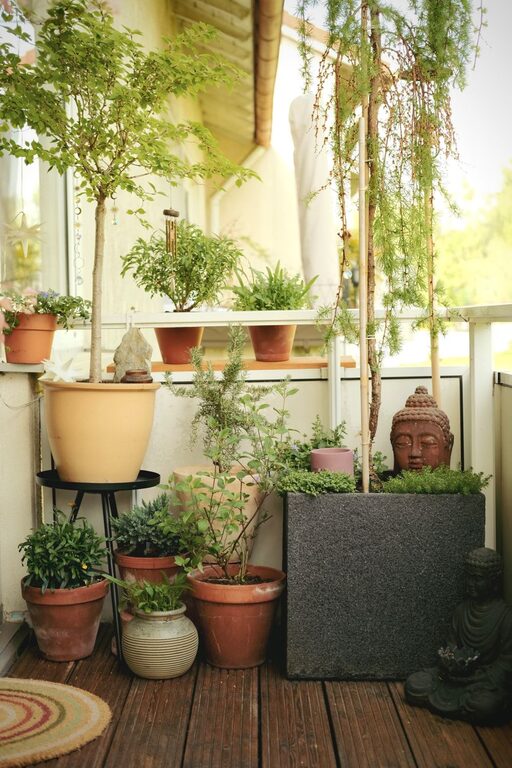
Small spaces can still support a productive and beautiful garden. A sunny balcony, patio, windowsill, doorstep, or even a small wall can become home to herbs, vegetables, flowers, and greenery.
The key is to choose plants that match your available light and use containers, shelves, and vertical space wisely. These beginner-friendly projects are affordable, simple to set up, and easy to adjust as your gardening skills grow.
1. Create a Windowsill Herb Garden
A windowsill herb garden is one of the easiest ways to begin growing plants. It takes up very little room and gives you fresh herbs for cooking.
What you need
– Three to five small pots with drainage holes
– A sunny windowsill
– Indoor potting mix
– Herb seeds or small starter plants
– A tray to catch excess water
Good beginner herbs include basil, parsley, chives, mint, thyme, and oregano. If your windowsill receives at least several hours of sunlight each day, many herbs will grow well there.
Place each herb in its own container unless the plants have similar watering needs. Water when the top layer of soil feels dry, and turn the pots every few days so the plants grow evenly.
Mint grows quickly and can take over a shared container, so it is best planted in its own pot. Trim herbs regularly to encourage fuller growth.
2. Build a Container Salad Garden
You do not need a backyard to grow salad ingredients. A wide container or shallow planter can provide fresh greens in a small area.
Easy crops to try
– Leaf lettuce
– Arugula
– Spinach
– Radishes
– Green onions
– Baby kale
Choose a container that is at least 6 to 8 inches deep and has drainage holes. Fill it with a quality potting mix, then sow seeds according to the instructions on the packet.
For a continuous harvest, plant a small number of seeds every two or three weeks during the growing season. Harvest leafy greens by picking the outer leaves first. This allows the plants to keep producing instead of removing the entire plant at once.
Place the container where it receives bright light. If the weather becomes very hot, move it to a spot with morning sun and afternoon shade to help prevent the greens from drying out.
3. Make a Vertical Garden
When floor space is limited, look up. Vertical gardening uses walls, railings, fences, or sturdy shelves to add more growing room.
A simple vertical garden can be made with:
– A tiered plant stand
– Wall-mounted planters
– Hanging baskets
– A trellis and climbing container
– A recycled wooden ladder used as a plant shelf
Use vertical structures for compact flowers, herbs, and climbing plants. Strawberries, compact tomatoes, peas, and some types of beans can grow well when given support.
Make sure the structure is stable before adding containers. Heavy pots can become unsafe if they are not secured properly. For balconies or railings, check weight limits and building rules before installing planters.
Arrange plants according to their light needs. Place sun-loving plants near the top or outer edge, while shade-tolerant plants can sit lower down.
4. Grow a Patio Tomato Plant
Tomatoes are a popular choice for container gardening because one healthy plant can produce a rewarding harvest. Look for varieties labeled “patio,” “compact,” or “determinate.”
Steps for success
- Choose a container that holds at least 5 gallons of soil.
- Select a sunny location with plenty of direct light.
- Use a potting mix made for containers.
- Add a tomato cage or support at planting time.
- Water deeply when the top inch of soil feels dry.
- Harvest tomatoes when they are fully colored and slightly firm.
Tomatoes need regular watering, especially during hot weather. Containers dry out faster than garden beds, so check them often. Avoid wetting the leaves whenever possible, and make sure extra water can drain freely from the pot.
A single container tomato can become tall and heavy, so place it where it will not block walkways or become exposed to strong wind.
5. Design a Small Pollinator Planter
A pollinator planter adds color while creating a welcoming space for bees, butterflies, and other helpful insects. You can make one with a large pot, window box, or collection of smaller containers.
Choose a mix of plants that bloom at different times. Suitable options may include:
– Marigolds
– Zinnias
– Lavender
– Coneflowers
– Salvia
– Nasturtiums
– Cosmos
Select plants that suit your local climate and the amount of sunlight available. Use several plants with different heights and flower shapes to create visual interest.
Avoid overcrowding the container. Plants need room for air movement and root growth. Water the planter when the soil begins to dry, and remove faded flowers if the plant benefits from regular trimming.
A shallow dish of clean water with a few stones can provide a simple drinking spot for insects. Refresh the water often and place the dish near, but not directly inside, dense foliage.
6. Repurpose Household Items as Planters
Repurposing everyday items can make gardening more affordable and creative. Old buckets, wooden crates, tins, baskets, and sturdy containers may work as planters if they are clean and safe for plants.
Before planting, check that the item:
– Is strong enough to hold wet soil
– Has drainage holes or can be modified
– Does not contain peeling paint or harmful residue
– Is large enough for the selected plant
– Can be moved safely when full
Add drainage holes to containers that do not already have them. Place a tray beneath indoor or balcony planters to protect surfaces from water damage.
Avoid using containers that previously held chemicals or materials that may harm plants. A food-safe bucket or clean household container is a better choice.
7. Start a Compact Salad or Herb Tower
A planting tower is useful when you want several crops in one small footprint. You can purchase a ready-made tower or stack compatible pots on a stable stand.
Plant smaller crops in the upper sections, such as:
– Chives
– Leaf lettuce
– Strawberries
– Thyme
– Parsley
Use lower sections for plants that need more space or produce trailing growth. Make sure every level receives enough light and that water can flow through the containers without collecting at the bottom.
A tower may dry out quickly because of its height and exposed sides. Check the soil in several sections rather than watering only the top. Rotate the tower occasionally if one side receives more sunlight.
8. Set Up a Simple Seed-Starting Station
Starting seeds indoors is a useful project for a sunny windowsill or small shelf. It also gives you an early start on the growing season.
Use small pots, seed trays, or clean containers with drainage holes. Fill them with seed-starting mix, place the seeds at the recommended depth, and label each container with the plant name and planting date.
Keep the mix lightly moist but not waterlogged. Once seedlings appear, provide bright light and gentle air movement. When the plants develop several sets of true leaves, move them into larger containers if needed.
Before moving indoor seedlings outside, introduce them gradually to outdoor conditions. Place them outside for a short time in a sheltered location, then increase the time over several days.
Tips for Managing a Small-Space Garden
A few simple habits can make small-space gardening easier:
– Check the light before choosing plants.
– Use containers with drainage holes.
– Choose compact plant varieties.
– Group plants with similar watering needs.
– Keep a small watering can nearby.
– Label seeds and containers.
– Inspect leaves regularly for signs of stress.
– Prune plants gently to control their size.
– Leave enough room to move around containers.
Start with one or two projects rather than filling every available surface at once. As you learn how much light, water, and care your plants need, you can add more containers and experiment with new varieties.
Even a small garden can provide fresh herbs, colorful flowers, and a satisfying connection to the growing season.
About the Author